 English,
 Spanish,
 Polish,


Free Consultation
630-932-9100

-

- Home
- Our Firm
- Practice Areas
- Divorce
- Alimony and Maintenance
- Child Support
- College Expenses
- Special Needs Children and Divorce
- Parental Responsibility / Custody
- Sole Custody vs. Joint Custody
- Parenting Plans and Visitation
- Child Relocation
- Property and Asset Division
- Retirement, 401k Accounts and Pensions
- Debt Division
- Post Decree Modifications
- Post Decree Enforcement and Contempt Hearings
- Dissolution of Arranged Marriages
- Tax Consequences and Divorce
- Uncontested Divorce
- Divorce Involving Mental Health Issues or Addictions
- Divorce and the Stay-at-Home Parent
- Divorce FAQs
- Family Law
- Personal Injury
- Motor Vehicle Accidents
- Auto Accidents
- Truck Accidents
- Amazon Delivery Driver Accidents
- Motorcycle Accidents
- Rideshare Accidents
- Pedestrian Accidents
- E-Bike/E-Scooter Accidents
- Boat Accidents
- Aviation Accidents
- Premises Liability
- Medical Malpractice
- Nursing Home Abuse
- Wrongful Death
- Construction Site Accidents
- Other Serious Injuries
- Personal Injury FAQs
- Workers' Compensation
- Construction Accidents and Injuries
- Warehouse and Factory Worker Injuries
- Healthcare Worker Injuries
- Office Worker Injuries
- Shipping and Trucker Worker Injuries
- Types of Workers' Compensation Injuries
- Back and Neck injuries
- Repetitive Stress Injuries
- Arm and Shoulder Injuries
- Knee Injuries
- Occupational Diseases
- Specific Accident Cases
- Who We Represent
- Workers' Comp Death Benefits
- Filing a Workers' Comp Claim
- How to Qualify for Benefits Under Workers' Comp
- Vocational Rehabilitation Rights
- Workers' Compensation FAQs
- Criminal Defense
- Immigration
- Bankruptcy
- Estate Planning
- Real Estate
- Divorce
- Success Stories
- Testimonials
- Media
- Blog
- Contact Us
Can I Work if I Have an American Student Visa?
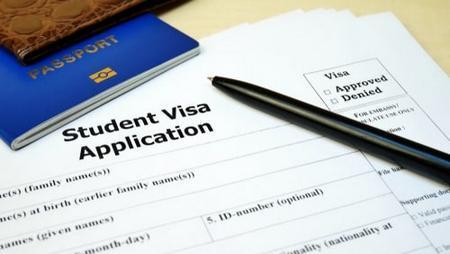 International students on an F-1 student visa are not automatically allowed to work off campus. Working without proper authorization can put your visa status at serious risk. But there are legitimate ways to work while studying in the United States. Understanding the rules can help you take advantage of those options without jeopardizing your ability to stay. If you have questions about working on a student visa in 2026, a Bloomingdale, IL student visa lawyer can help you understand what is allowed and how to stay in compliance.
What Is an F-1 Student Visa and What Are Its Basic Rules?
The F-1 visa is the most common student visa for international students studying at colleges, universities, and other academic institutions in the United States. It is issued for the duration of your program of study plus a grace period after graduation.
When you enter the United States on an F-1 visa, you are expected to maintain full-time enrollment and make satisfactory academic progress. You are also expected to follow the rules set by your school's Designated School Official, also called a DSO. Your DSO is your main point of contact for any questions about your visa status, including work authorization.
Working without authorization is a violation of your visa status. It can result in losing your student status, being required to leave the country, and potentially being barred from returning in the future.
Can You Work on Campus With an F-1 Visa?
On-campus employment is generally permitted for F-1 students without any additional authorization. Under 8 C.F.R. Section 214.2(f)(9), F-1 students are allowed to work on campus for up to 20 hours per week while school is in session. During school breaks and vacation periods, you may be able to work full time.
On-campus work includes jobs at your school such as working in the library, a dining hall, a research lab, or an administrative office. It can also include work for a company that provides services to students on campus, like a bookstore or food vendor located on school grounds.
You do not need special permission from USCIS for on-campus work. However, you should always check with your DSO before starting any job to make sure it qualifies.
What Is Curricular Practical Training and Who Qualifies?
Curricular Practical Training (CPT) is a type of off-campus work authorization available to F-1 students when the work is directly tied to their field of study and is part of their academic program. CPT can include internships, cooperative education programs, and other work experience that is required for your degree or that earns academic credit.
To qualify for CPT, you must meet all of the following:
- You have been enrolled full time for at least one academic year.
- The work is directly related to your major.
- Your school has authorized the CPT through your DSO.
- Your DSO has issued a new Form I-20 showing the CPT authorization.
One important thing to know is that if you use CPT for 12 months or more full-time, you become ineligible for Optional Practical Training. Keeping track of how much CPT you use matters for your long-term options.
What Is Optional Practical Training and How Does It Work?
Optional Practical Training (OPT) allows F-1 students to work in a job related to their field of study. OPT can be used before graduation or after graduation.
Most students save their OPT for after graduation to gain work experience in their field. Post-completion OPT gives you up to 12 months of work authorization. If you graduated with a degree in a STEM field (science, technology, engineering, or mathematics), you may be eligible for a 24-month extension. That gives you up to 36 months of total OPT work authorization.
To apply for OPT, you have to file an application with USCIS and receive an Employment Authorization Document, also called an EAD card, before you can start working. The process takes time, so starting early is important. Your DSO can help you prepare and submit the application.
Schedule a Free Consultation With Our Naperville, IL Immigration Attorney
For more than 40 years, Attorney Steven H. Mevorah has been serving the needs of immigrants throughout Northern Illinois, helping international students and families navigate the immigration system with knowledge and care.
If you have questions about your student visa and your work options, contact the Bloomingdale, IL immigration lawyer at Mevorah & Giglio Law Offices by calling630-932-9100 today.





Offices in 3 Convenient DuPage County Locations
Lombard
900 E. Roosevelt Road
Lombard, IL 60148
Phone: 630-932-9100
Fax: 630-932-9868
MAP & DIRECTIONS
Bloomingdale
134 N. Bloomingdale Road
Bloomingdale, IL 60108
Phone: 630-529-2400
Fax: 630-529-7630
MAP & DIRECTIONS
Naperville
Phone: 630-420-1000
By Appointment Only

 Make a Payment


